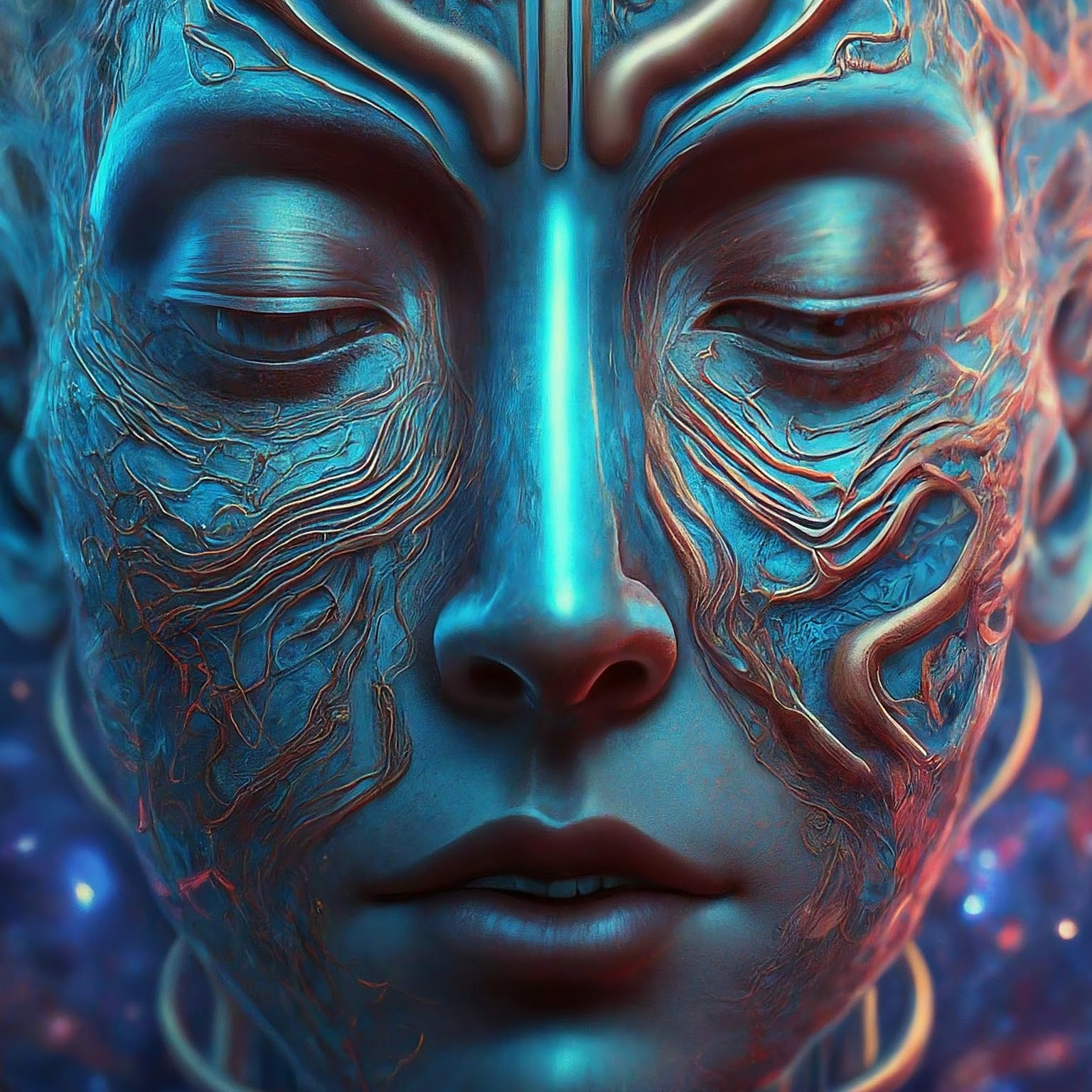
The project, as conceived, presents a profoundly ambitious undertaking – a deliberate, technologically mediated shift in the trajectory of human consciousness. Scrutinizing this hypothesis necessitates engaging with a complex web of considerations, many of which inherently carry significant ethical and philosophical weight. One immediate area of concern revolves around the very definition of “consciousness” itself. Our understanding of it remains remarkably incomplete. Is it simply awareness, or does it encompass subjective experience, self-awareness, and perhaps even qualia – the felt quality of experience? If we are attempting to align human consciousness with “natural forces of evolution,” we are relying on an assumption that evolution, as a process, has some inherent meaning or direction that can be mapped onto human experience. This is a considerable extrapolation.
Furthermore, the concept of “natural forces of evolution” warrants careful examination. The natural world operates through mechanisms of selection, mutation, and adaptation – processes driven by environmental pressures. Attempting to harness these forces in a deliberate, directed manner, particularly when mediated by artificial intelligence, raises questions about potential unintended consequences. Could a forced alignment with evolutionary pressures ultimately diminish the very diversity and resilience that characterize natural systems?
The idea of “unlimited abundance” generated by AI-controlled production is another area ripe with potential controversy. Historically, the pursuit of abundance has been linked to resource depletion, environmental degradation, and social inequality. A system of “unlimited abundance,” without careful consideration of its resource implications and equitable distribution, risks exacerbating existing problems and creating new ones. The assertion that AI can inherently guarantee fairness and prevent misuse requires a deep investigation of algorithmic bias, control mechanisms, and the potential for the system itself to be manipulated for self-serving purposes.
The implications of a globally interconnected consciousness, as envisioned, are equally unsettling. The idea of all consciousnesses merging – while potentially beautiful in its aspiration – raises profound questions about individuality, privacy, and autonomy. The capacity for individual thought and experience is fundamentally tied to the possibility of dissent, independent reflection, and the ability to challenge prevailing norms. Preserving this within a unified consciousness presents a significant technical and philosophical hurdle.
 The Seed Project
Leave a comment